

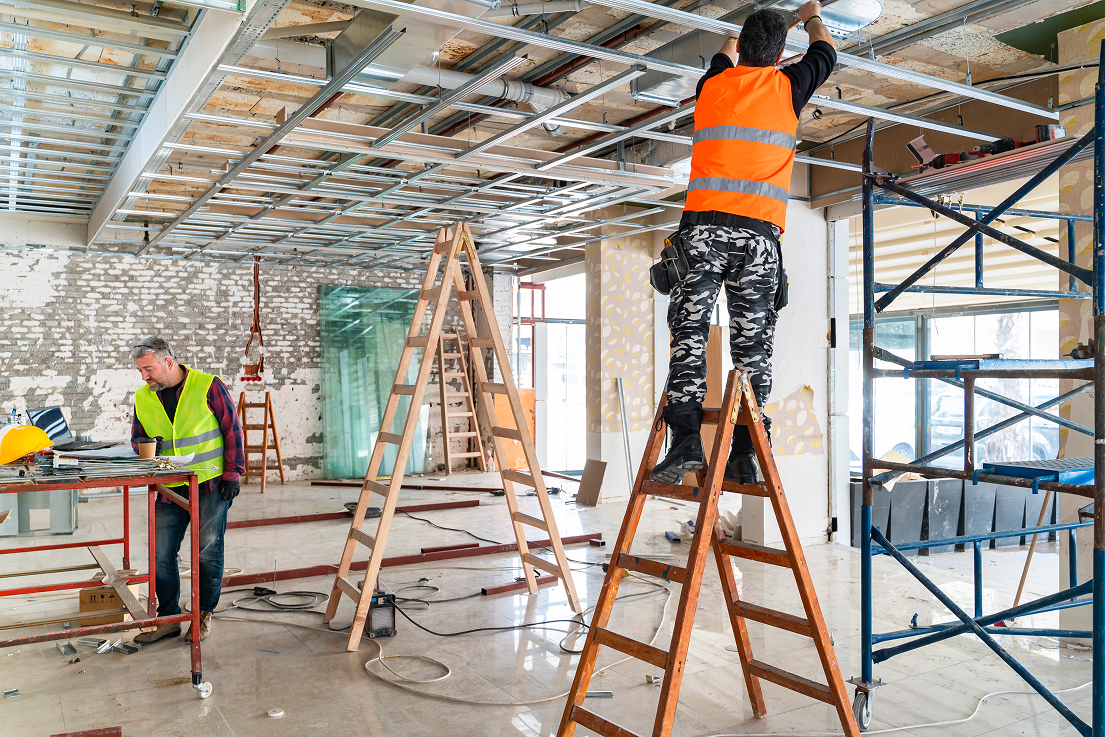
TLDR: Tenant improvement construction covers any work done to customize a leased commercial space for a new occupant. In Tampa Bay, most TI projects involving structural, electrical, plumbing, or HVAC work require permits through the City of Tampa or the relevant local municipality. Costs typically range from $15 to $40 per square foot depending on the starting condition of the space and the scope of work. A well-managed TI project runs 4 to 12 weeks. Change-of-use projects take longer and require additional permits. The biggest cause of delays is incomplete plans at permit submission : not construction itself.
If you manage commercial property in St. Petersburg, Tampa, Clearwater, Largo, or anywhere in the Tampa Bay area, you know the pressure that comes with a lease turnover. A new tenant has a move-in date, they have revenue to start generating, and they need their space ready. Every week it isn't costs someone money : often you.
This article answers the questions property managers ask most often about tenant improvement construction in Tampa Bay, based on real permit requirements, local cost data, and the practical realities of doing TI work on the Gulf Coast.
Tenant improvement work covers the full range of modifications made to a leased commercial space to fit a new occupant's needs. According to a tenant improvement guide from KB Building & Remodeling, TI projects in Tampa Bay typically include:
The scope is determined by two things: what the space currently has, and what the incoming tenant needs. A general office taking over another general office space may need nothing more than paint, flooring, and a few layout changes. A medical practice moving into a former retail space may need exam rooms with dedicated plumbing, upgraded ventilation, ADA-compliant entry points, and full permit packages across multiple trades.
The answer depends on scope and location.
For projects in the City of Tampa, most interior buildouts that involve structural changes, electrical work, plumbing, or HVAC modifications require a building permit. Simple cosmetic changes like paint, flooring, and non-structural work typically do not. Commercial projects in Tampa require review by multiple departments : building, fire, public works, and sometimes health : which adds time compared to residential projects.
For properties in Pinellas County, permits for new commercial buildings, tenant buildouts, remodels, and change of use are submitted through the Pinellas County Access Portal. Properties in incorporated cities like St. Petersburg, Clearwater, and Largo submit to their respective municipal building departments rather than the county.
As of November 2025, the City of Tampa simplified the permitting process by eliminating the separate Site Permit Review application, meaning one application and one permit for most commercial projects.
For change-of-use projects specifically : where the incoming tenant's business type is different from what occupied the space before : additional steps apply. Per Tampa permit processing guidance, any new tenant or change of occupancy in a commercial property must obtain a Certificate of Use confirming that the new use is permitted under local zoning. This is separate from the building permit and is often overlooked until it causes a delay.
Your contractor pulls all permits on your behalf. A general contractor who regularly works with Tampa and Pinellas County building departments knows which reviewers handle what, how to submit complete packages the first time, and how to respond to comments quickly. That familiarity shortens the timeline in practice.
Cost varies significantly based on starting condition, use type, and scope. According to Titus Contracting's TI cost guide, most commercial building improvement costs range between $15 and $40 per square foot, though costs may be higher depending on the building and complexity.
The single biggest cost driver is the starting condition of the space:
Second-generation space (previously occupied): Infrastructure is already in place. Work is primarily reconfiguration and finish updates. Least expensive starting point.
Shell space (bare structure): According to Maxx Builders' TI cost breakdown, shell spaces require significant investment in basic infrastructure : electrical, plumbing, HVAC, and basic finishes : before any tenant customization can begin. This adds up quickly even before the tenant's specific requirements are addressed.
Change-of-use buildouts: The most variable category. Converting a former retail space into a medical office, or a general office into a food service operation, can involve major mechanical, plumbing, and code compliance work that substantially increases cost.
On the funding side, most commercial leases include a tenant improvement allowance (TIA) : a per-square-foot dollar amount the landlord contributes toward build-out costs. According to Kenwood Management's TI process guide, allowance funds are typically disbursed in stages or after work is completed and inspected. Understanding what the TIA covers, what it does not, and who is responsible for overages should be sorted out during lease negotiation : before construction begins.
A well-managed tenant improvement project in Tampa Bay might take 4 to 12 weeks depending on complexity. Simple cosmetic refreshes can be done faster. Complex buildouts or change-of-use projects involving multiple permit types run longer.
The most common cause of delay is not construction : it is incomplete or non-compliant plans at permit submission. The most effective way to speed up the permit process in Tampa is to submit complete, code-compliant plans on the first attempt. This reduces correction cycles, which are the primary cause of delays.
The second most common cause of delay is late material ordering. HVAC equipment, commercial fixtures, and specialty items can carry 6 to 12 week lead times. A contractor who orders materials while the permit is in review : not after it's approved : saves weeks.
Yes, with the right contractor and the right plan.
Many TI projects involve active buildings where other tenants are operating in adjacent spaces. Common areas must stay clean, access control matters, and noise and dust have to be managed. According to Avery Commercial Remodeling's TI guide, tenant improvement work in occupied buildings requires crystal-clear communication and carefully planned operations to ensure the safety and privacy of those in the building.
For cases where the incoming tenant wants improvements done before they open : or where the existing tenant simply wants work completed without shutting down : scheduling construction during off-hours is often the right approach.
At Bettencourt Construction, this is something we've built into how we work. We know the incoming tenant has a revenue clock running. If the situation calls for night shifts or weekend work to hit a move-in date, we do it. We've completed commercial buildouts overnight so a business could open its doors at their scheduled time. That's not something every contractor offers : it's worth asking about directly before you choose one.
The tenant work letter is a document that outlines what the landlord and tenant are each responsible for in the buildout. According to Avery Commercial Remodeling, it is a detailed explanation of what each party provides, how costs are allocated, what existing improvements get demolished, and how utilities are handled during construction.
As a property manager, the tenant work letter protects you. It establishes clear scope, prevents scope creep at your expense, and sets expectations for quality, timing, and payment. Your contractor should be familiar with this document and able to work within its terms : or flag issues with it before work begins.
According to Kenwood Management's TI process guide, tenant improvement work can be paid for by the landlord, the tenant, or both, and the terms of the lease often determine the split. In most cases:
Cost overruns are common. Leases should clearly state who is responsible if the project exceeds the allowance and whether there is a cap on additional expenses. A good contractor helps you anticipate total costs before the lease is signed : not after the walls are open.
Here's the honest reason this article exists: Bettencourt Construction does tenant improvement work across St. Petersburg, Tampa, Clearwater, Largo, and the surrounding Tampa Bay area, and we wrote this to reach property managers and commercial tenants who are doing their research.
We hold a current, active Certified General Contractor license with the Florida DBPR. We've been building and remodeling in this market since the late 1980s. We pull all permits, coordinate all trades, and communicate clearly throughout the project. And when your new tenant has a hard move-in date, we find a way to hit it.

.webp)


